Urban Gardening: Healing Through Nature
Posted on 26/03/2025
Urban gardening is more than just a trend; it's a movement towards healthier, more sustainable living in our densely populated cities. As our urban areas expand, incorporating green spaces into cityscapes provides numerous benefits for both individuals and communities. From boosting mental health to reducing the urban heat island effect, urban gardening is proving to be a powerful tool for healing through nature.
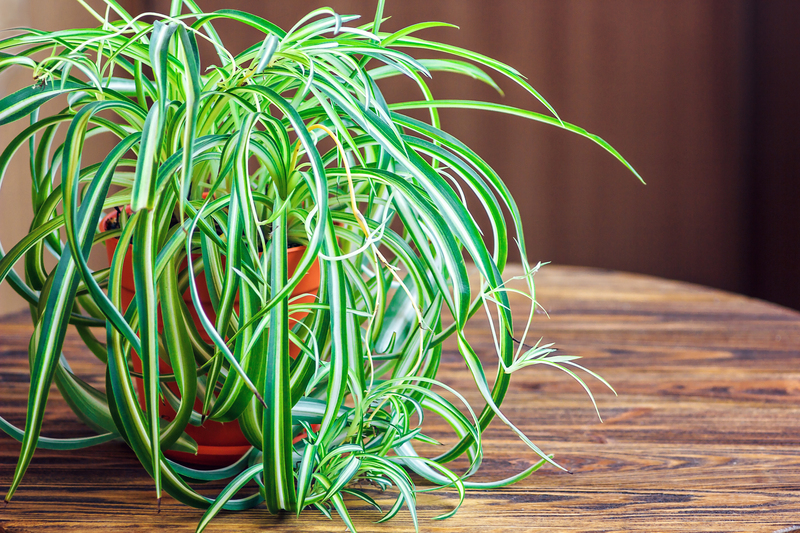
The Rise of Urban Gardening
Urban gardening has seen a significant rise in popularity over recent years. This surge is partly due to the increasing awareness of environmental issues and the desire for a more sustainable lifestyle. People are seeking ways to connect with nature without leaving the city, and urban gardening offers an ideal solution. Whether it's a community-led project or a personal balcony garden, the benefits are manifold.
Health Benefits of Urban Gardening
Urban gardening can have a transformative effect on mental and physical health. Spending time in green spaces has been shown to reduce stress, anxiety, and depression. The psychological benefits include improved mood, increased sense of well-being, and enhanced cognitive function. Physically, gardening activities such as planting, weeding, and harvesting provide excellent forms of low-impact exercise, which can help maintain a healthy weight and improve cardiovascular health.
Environmental Impact
In addition to its health benefits, urban gardening plays a crucial role in supporting the environment. Green spaces help to minimize air pollution by filtering out harmful pollutants and producing oxygen. They can mitigate the urban heat island effect by providing shade and cooling the air. Furthermore, urban gardens support biodiversity by creating habitats for various plants, insects, and birds.

Community Building Through Gardening
One of the most rewarding aspects of urban gardening is its potential to foster a sense of community. Community gardens bring people together, creating a sense of shared purpose and collaboration. These spaces provide opportunities for social interaction, education, and cultural exchange. They can be particularly beneficial in areas where green space is limited, offering a communal area for relaxation and connection.
Practical Tips for Urban Gardening
Starting an urban garden may seem daunting, but following some essential tips can make the process more manageable and enjoyable:
1. Start Small: Begin with a few potted plants or a small garden box. As you become more comfortable, you can expand your garden.
2. Choose the Right Plants: Select plants that are well-suited to urban environments, such as herbs, vegetables, and hardy ornamentals. Consider the climate and light conditions in your area.
3. Use Quality Soil: Invest in good quality soil to ensure your plants have the nutrients they need to thrive.
4. Water Wisely: Urban gardens can dry out quickly, so regular watering is crucial. Use water-efficient techniques like drip irrigation or mulch to retain moisture.
5. Maximize Space: Use vertical gardening techniques or tiered planting to make the most of limited space.
Pros and Cons of Urban Gardening
Pros:
- Health Benefits: Reduces stress, anxiety, and depression; promotes physical activity.
- Environmental Impact: Improves air quality, reduces heat, and supports biodiversity.
- Community Engagement: Fosters social connections and community spirit.
- Sustainability: Encourages self-sufficiency and reduces food miles.
Cons:
- Limited Space: Urban areas often have limited space for gardening.
- Pollution: Soil and air pollution can affect plant growth.
- Time-Consuming: Gardening requires regular maintenance and care.
- Initial Costs: Setting up an urban garden can be expensive.
Takeaways
Urban gardening offers a multitude of benefits, from improving mental and physical health to enhancing community bonds and supporting environmental sustainability. By starting small, choosing the right plants, and using quality soil, urban dwellers can create flourishing gardens even in the busiest cityscapes. The pros clearly outweigh the cons, making urban gardening a worthwhile endeavor for anyone seeking a greener, healthier life.
Conclusion
Urban gardening is not just about growing plants; it's about nurturing a sustainable and harmonious relationship between nature and city living. It provides a sanctuary from the hustle and bustle of urban life, offering a space for reflection, relaxation, and reconnection with nature. Whether you are a seasoned gardener or a curious beginner, urban gardening has something to offer everyone. Embrace the healing power of nature and start your urban garden today - your mind, body, and community will thank you.
Latest Posts
Top Tips for Cleaning Your Patio and Paving Like a Pro
Easy Steps to Sharpen Your Garden Shears Without Leaving Home
Inspiring Concepts to Cultivate Your Own Zen Garden Sanctuary